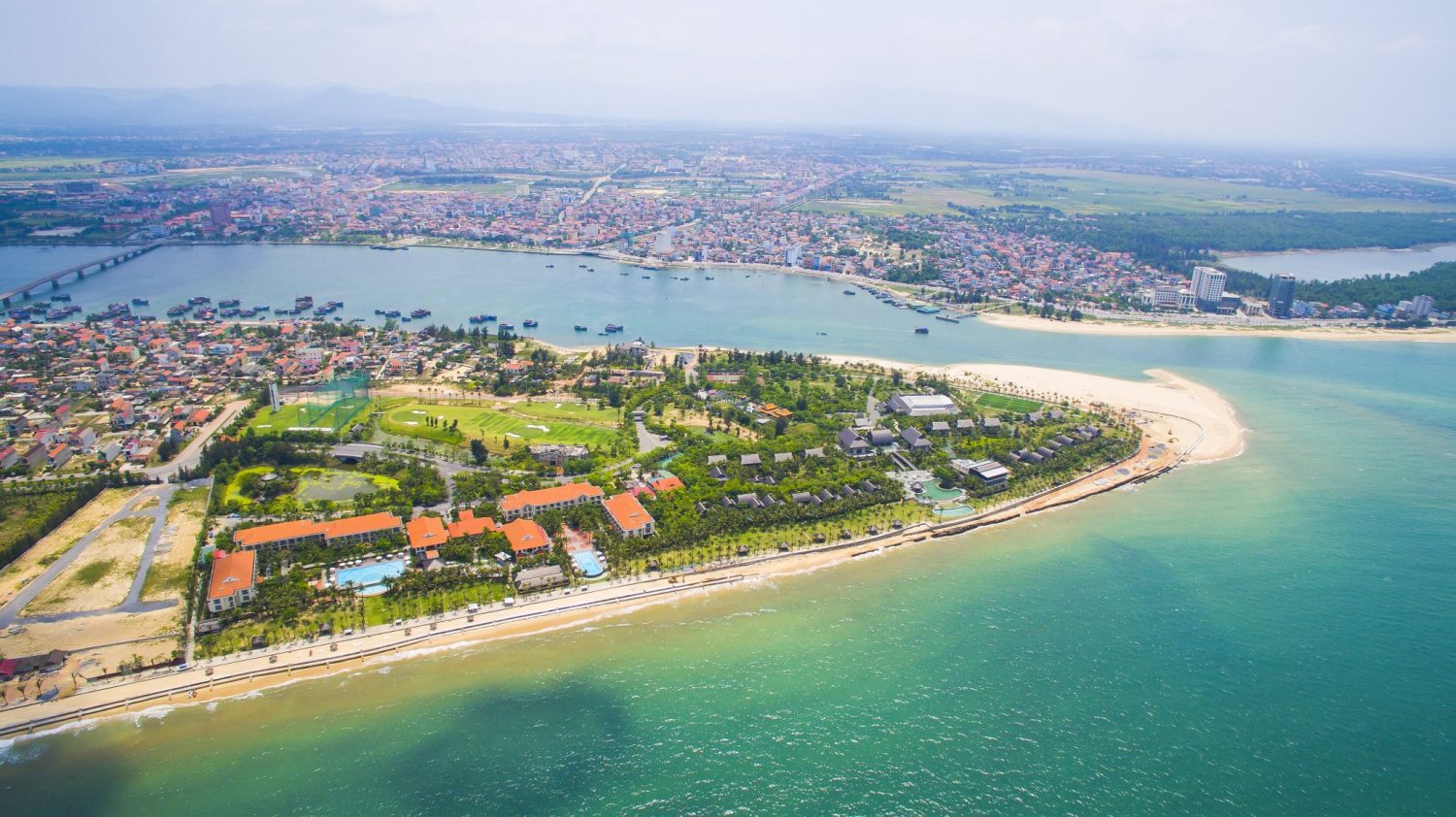


Vietnam is a dream destination for many travelers - a country of lush mountains, ancient towns, vibrant street markets, and friendly people. Beyond the cultural treasures and natural beauty, one of the biggest delights for visitors is how affordable daily life can be. To fully enjoy the trip without unnecessary stress, tourists need to understand the Vietnamese currency exchange (VND), where to exchange currency safely, and how to manage exchange rates and fees. This guide is designed for first-time visitors who want clear, accurate, and practical information.
The Basics: Vietnamese Currency and Payment Habits
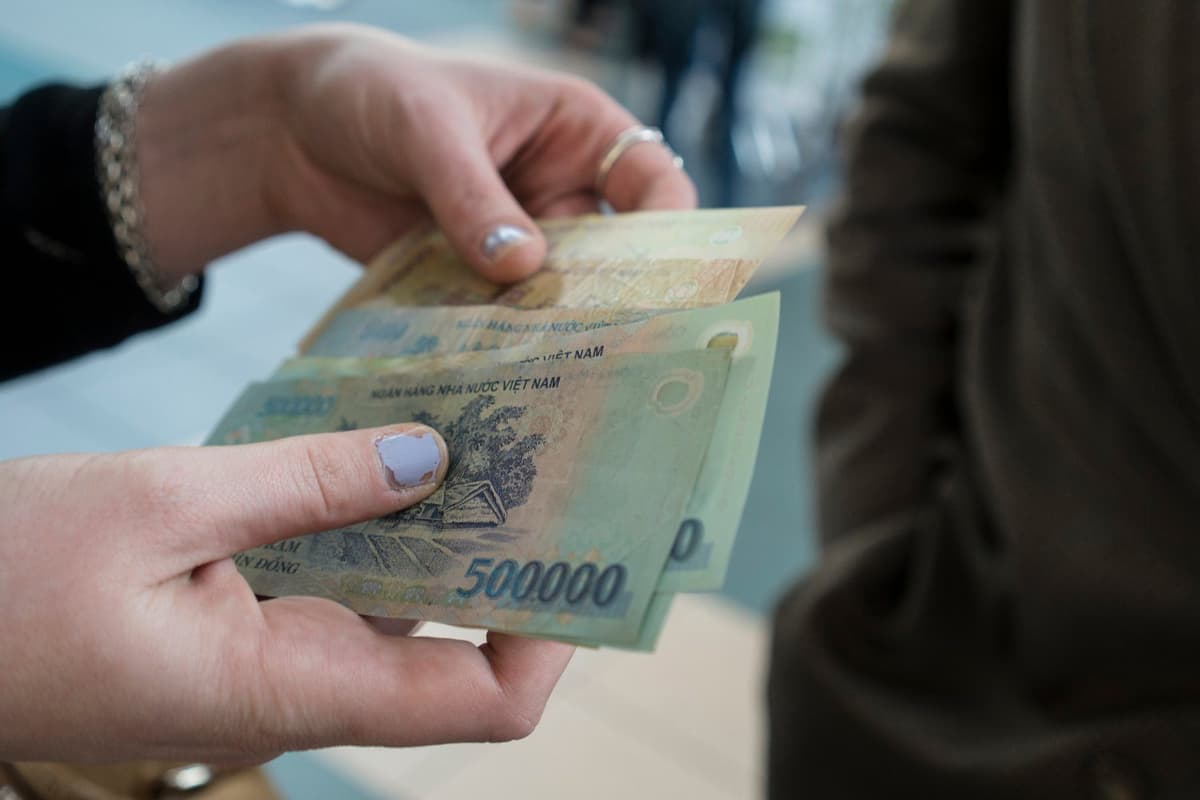
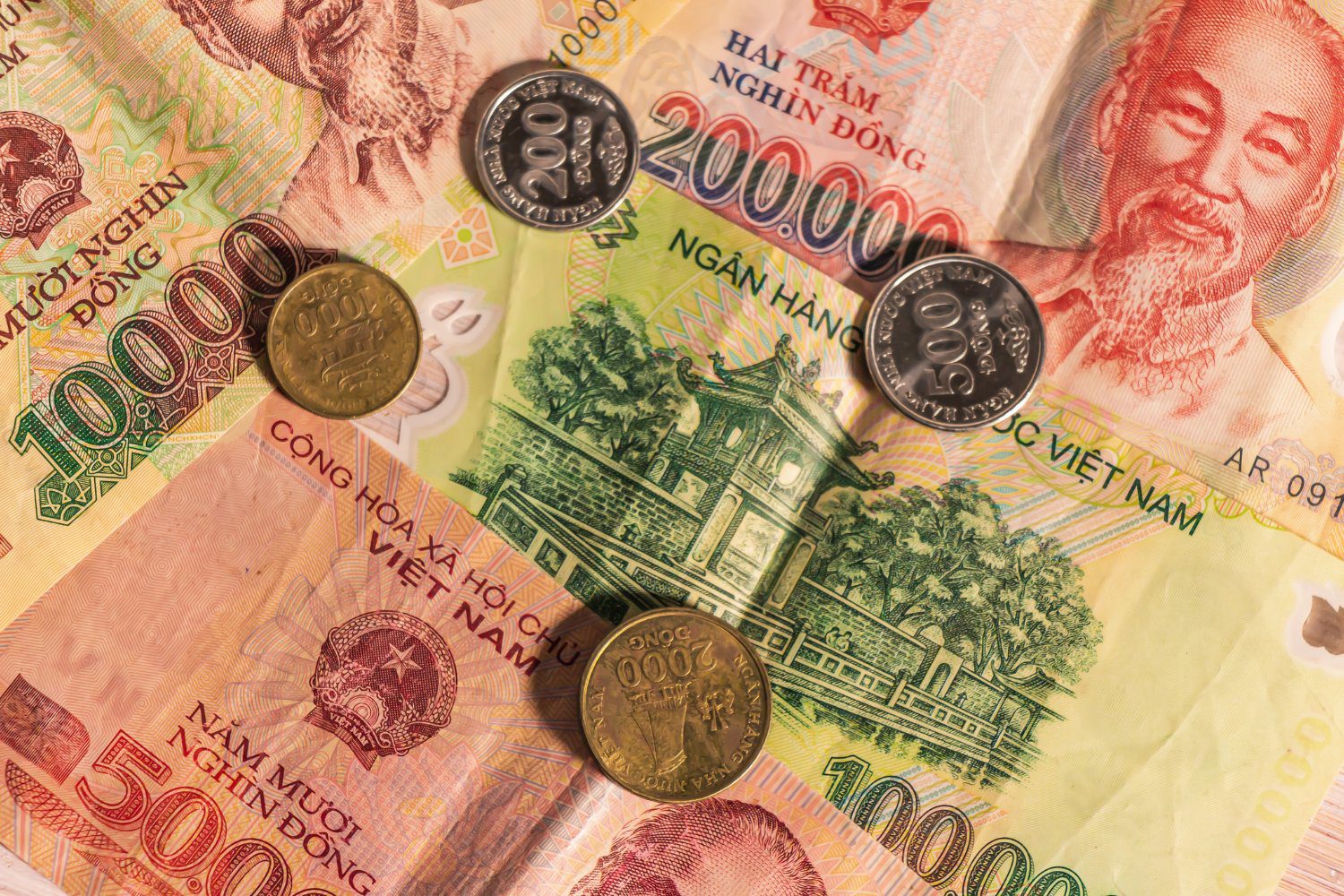
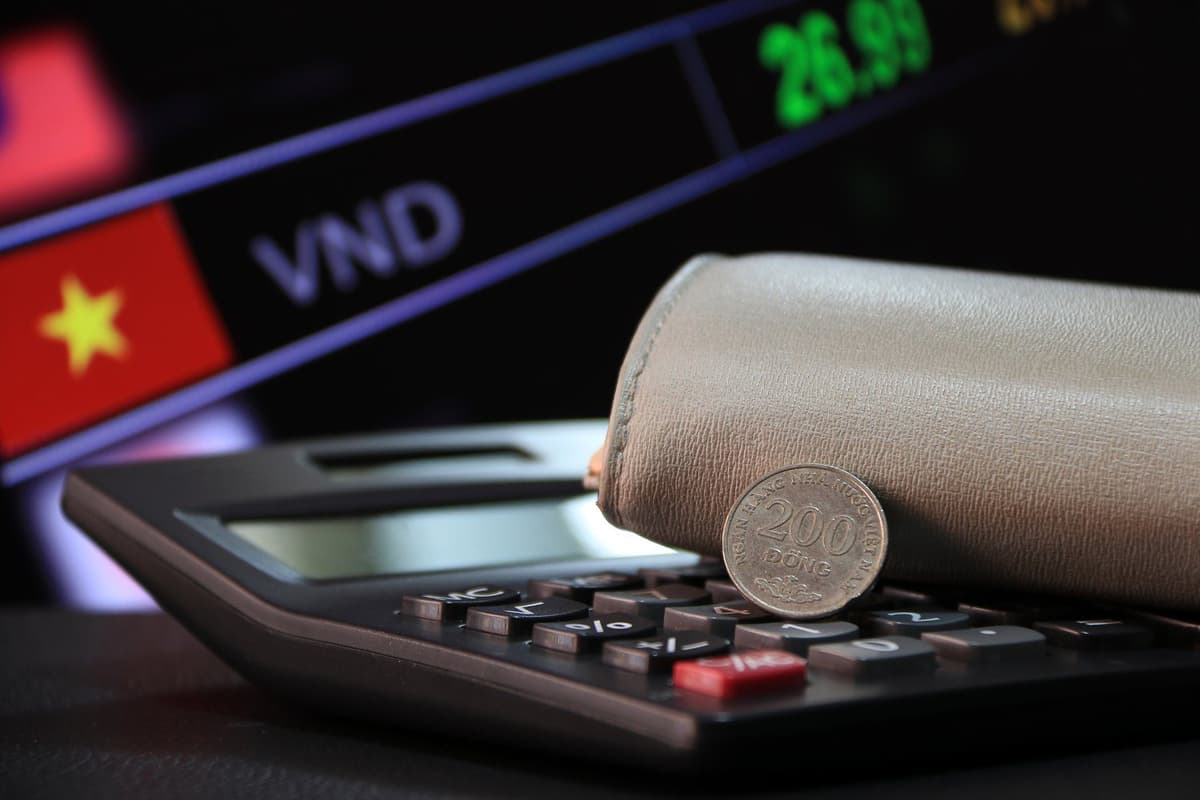
The official currency in Vietnam is the Vietnamese đồng (VND). It’s a colorful currency, printed in high denominations; don’t be surprised when you hold bills of 100,000 or even 500,000 VND.
A few key things to know:
- Cash is still king. While international cards (Visa, Mastercard, and to a lesser extent American Express) are accepted at large hotels, supermarkets, and modern restaurants, most daily transactions in markets, small eateries, taxis, or countryside areas require cash.
- High denominations are common. 100,000 VND is roughly 4 USD, while 500,000 VND is about 19–20 USD. Always double-check notes carefully to avoid confusion, especially between the blue 20,000 VND and the 500,000 VND notes.
- Always keep small bills handy. Street food, local buses, and smaller shops may not have change for big notes.
Exchange Rates and Fees in Vietnam
- USD to VND Exchange Rate
As of recent months, 1 USD is about 26,000 VND. The Vietnamese currency is relatively stable, usually fluctuating between 25,000 and 26,500 VND per dollar in recent years.
- EUR to VND Exchange Rate
For European travelers, 1 EUR is currently worth about 30,000 VND to 31,000 VND.
- How to Check Exchange Rates
Before exchanging money, always compare the mid-market rate (the “real” rate you see on XE.com, Wise, or OANDA) with the rate offered by the bank or money changer. The difference is usually their margin. If someone advertises “0% commission,” be cautious, the rate itself may be less favorable.
- Service Fees for Money Exchange
Banks: usually provide good rates with a small commission or none at all. But it is required for clients to present their passport.
- ATMs: foreign card withdrawals typically cost 10,000 to 55,000 VND per transaction, plus fees from the home bank. Many
- ATMs limit withdrawals to 2 to 5 million VND per transaction.
- Exchange counters: fees are not officially announced; compare before committing.
Best Places to Exchange Money in Vietnam
Airports in Vietnam
There are currency exchange counters at major airports such as Noi Bai (Hanoi), Tan Son Nhat (Ho Chi Minh City), and Da Nang International Airport.
They are convenient and immediate. It will be perfect when tourists arrive late and need cash for the taxi or SIM card. However, exchange rates are less favorable, and service fees are higher. The smart approach is to exchange just enough for one or two first days, then look for better rates in the city.
Banks in Vietnam
Vietnam’s major banks are Vietcombank, BIDV, Techcombank, Vietinbank, Agribank. There are also international banks like HSBC and Citibank. These banks provide reliable exchange services.
Exchanging at the banks is safe, regulated, and usually close to the official market rate. But opening hours are limited (typically 8:00–11:30 and 13:00–16:30, Monday to Friday), plus the need for a passport.
Jewelry and Gold Shops
In major cities, especially around tourist areas, many jewelry and gold shops provide quick and easy money exchange. They often offer the best rates, the service is quick and there is no complicated paperwork.
To ensure safety, travelers must choose well-established, reputable shops to avoid the risk of counterfeit notes. For large amounts (above 5,000 USD), banks are still the safer choice.
Where to Exchange Money in Major Cities
Places to Exchange Vietnam Money in Ho Chi Minh City
- Ha Tam Jewelry – 2 Nguyen An Ninh, District 1 (08:00–19:00)
- Hung Long Money Exchange – 86 Mac Thi Buoi, District 1 (08:00–20:00)
- Thien Xuan Exchange – 38 Phan Boi Chau, District 1
- Vietcombank – 69 Bui Thi Xuan, District 1 (07:30–11:30, 13:00–16:30)
- Mi Hong Gold Shop – 312 Bui Huu Nghia, Binh Thanh District (07:00–20:00)
Places to Exchange Vietnam Money in Da Nang
- Soan Ha Gold Shop – 516 2/9 Street, Hai Chau District
- Khai Hoan II Gold Shop – 1 Ton Quang Phiet, Son Tra District
- Tam Thinh Gold Shop – 142 Tran Phu, Hai Chau District
- Vietcombank – 140–142 Le Loi, Da Nang
Places to Exchange Vietnam Money in Hanoi
- Giang Son Jewelry – 130 Hang Bac, Hoan Kiem (08:00–21:00)
- Quoc Trinh Gold Shop – 27 Ha Trung, Hoan Kiem (07:00–21:30)
- Vietinbank – 25 Ly Thuong Kiet, Hoan Kiem (07:30–11:30, 13:00–16:30)
- Vang Hoang Tin – 124 Nguyen Thai Hoc, Ba Dinh (08:30–18:00)
- Techcombank – 34 Bat Dan, Hoan Kiem (07:30–11:30, 13:00–16:30)
- Kim Chung Gold Shop – 24 Tay Son, Dong Da (08:00–20:00)
Tip: Always confirm opening hours on Google Maps or by calling ahead, as small shops may change their schedules.
Travel Tips for Exchanging Money in Vietnam
1. Do Not Carry Too Much Cash
While Vietnam is safe compared to many destinations, it’s still unwise to carry large sums. ATMs allow withdrawals, though fees can add up. A balanced strategy is to withdraw a few million VND at a time (about 80–200 USD), enough for daily expenses.
2. Watch Out for Scams
Avoid street changers who offer unusually good rates. Stick with banks and reputable jewelry shops. When possible, count your cash on the spot and check for counterfeit notes before leaving.
3. Use Ride-Hailing and Digital Payments
Ride-hailing applications such as Grab, Gojek, Be, and Xanh SM allow seamless urban travel. Many of these apps integrate directly with international Visa or Mastercard payments, reducing the need for cash in daily transportation.
4. Using Credit Cards in Vietnam
Visa and Mastercard are widely accepted in major hotels, supermarkets, travel agencies, and convenience stores. However, smaller businesses, local restaurants, and traditional markets often accept only cash.
Tip: Always carry some cash in VND for backup. Sometimes, even when cards are accepted, the machine may be “out of service.”
5. Budgeting Smart for Your Trip
For most travelers, daily expenses in Vietnam are modest compared to other destinations. A good rule of thumb:
- Street food meal: 30,000–70,000 VND (1.5–3 USD)
- Mid-range restaurant: 150,000–300,000 VND (6–12 USD) per person
- Local coffee or smoothie: 20,000–40,000 VND (less than 2 USD)
- Taxi or Grab ride in the city center: 40,000–100,000 VND (2–4 USD)
Vietnam currency exchange is straightforward once the available options are understood. Cash remains the backbone of daily transactions, even as international card payments become more common in urban areas. Exchange rates are stable, and services are widely accessible through banks, airports, ATMs, and reputable gold or jewelry shops. By comparing exchange rates, being mindful of service fees, and choosing trustworthy providers, travelers can manage expenses efficiently while enjoying the cultural and natural treasures of Vietnam without financial inconvenience.